


Water management is essential to the development, completion, and production of unconventional oil and gas wells. Water naturally exists in subsurface geologic formations that contain oil and natural gas and is produced alongside hydrocarbons, often in significantly greater volumes, throughout the full lifecycle of a well. This produced water must be reliably gathered, separated, treated, and either reused or disposed of in order to sustain existing production and enable new production.
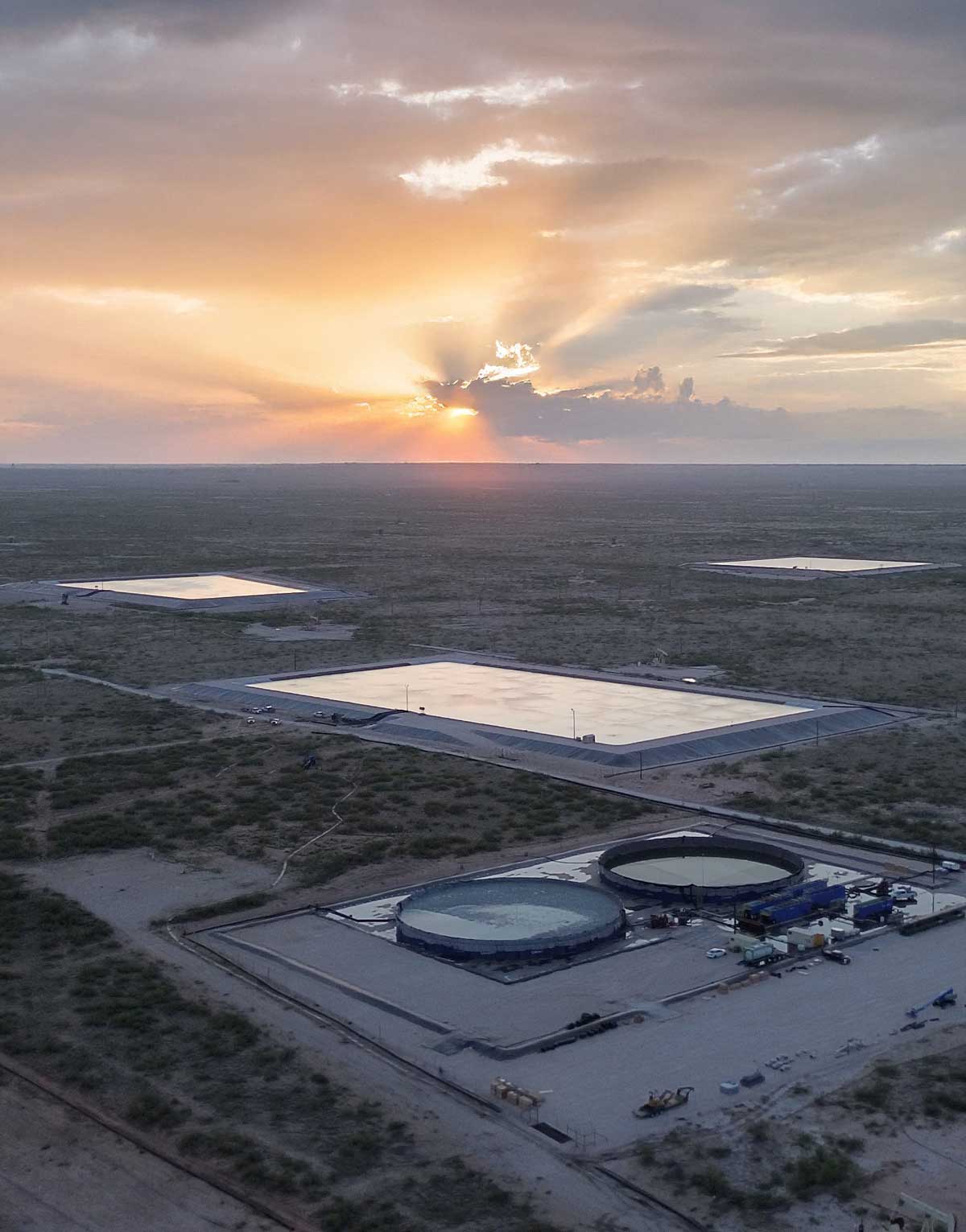
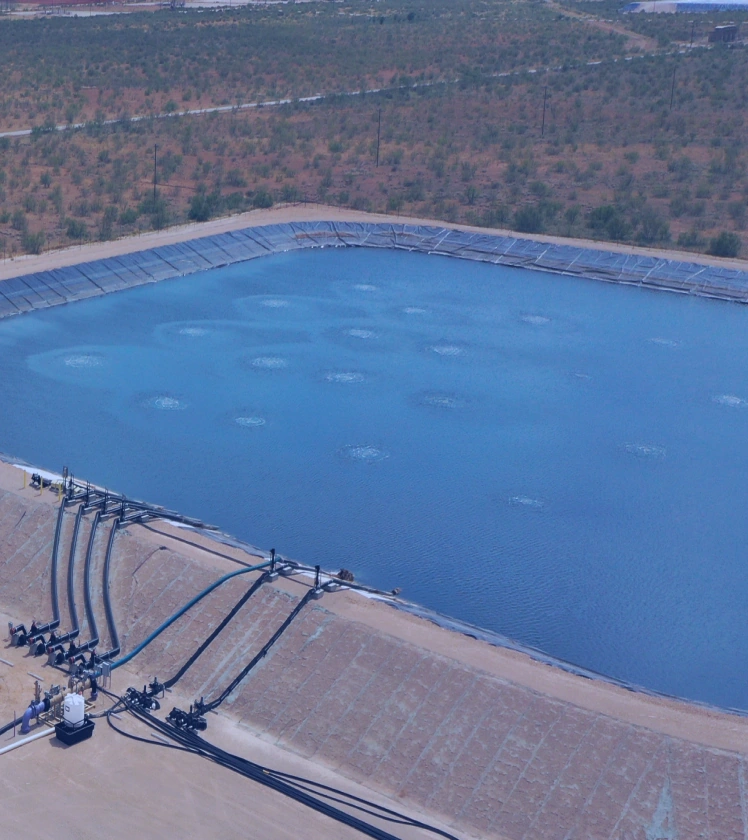
As a result, water management has become a critical, continuous operational requirement for maintaining oil and gas production, emphasizing the importance of integrated infrastructure providers like Select. Water-related activities represent a meaningful portion of customers’ drilling and completion capital expenditures for new well development, as well as ongoing Lease Operating Expenses (LOE) over the life of production.
In recent years, produced water volumes across U.S. shale basins have increased significantly. In many regions, produced water volumes far exceed the volumes of water used in completion operations. This structural imbalance has made produced water handling one of the most important operational constraints in unconventional development.
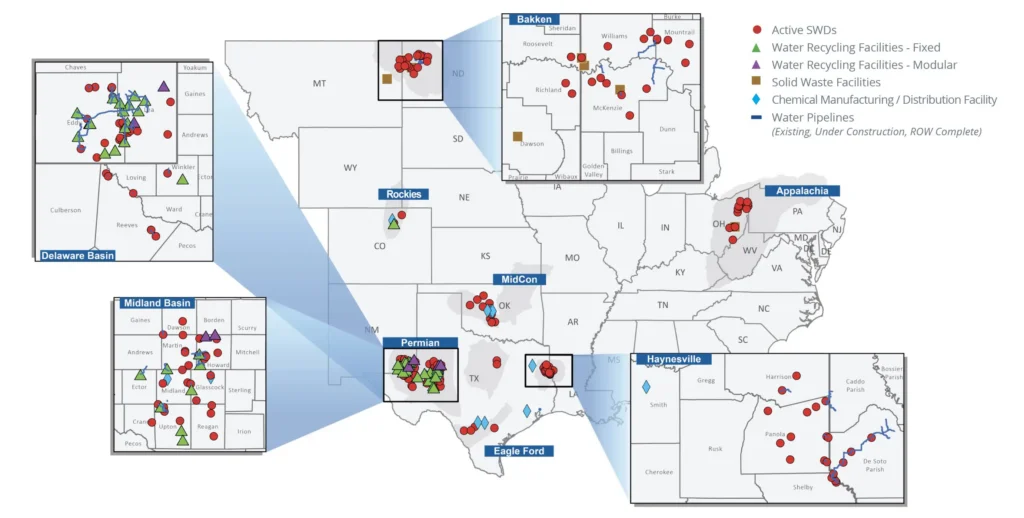
Regional Water Dynamics Across U.S. Basins
In the Permian Basin, this challenge is most acute. As the largest producing basin in the United States, the Permian Basin generates substantial volumes of excess produced water that must be continuously managed over time. Disposal capacity, gathering infrastructure, and long-haul logistics requirements have all expanded in response, but water volumes continue to grow alongside production, creating an ongoing need for scalable infrastructure solutions that can keep pace with activity levels.
These dynamics manifest differently across other major operating regions, requiring basin-specific infrastructure solutions.
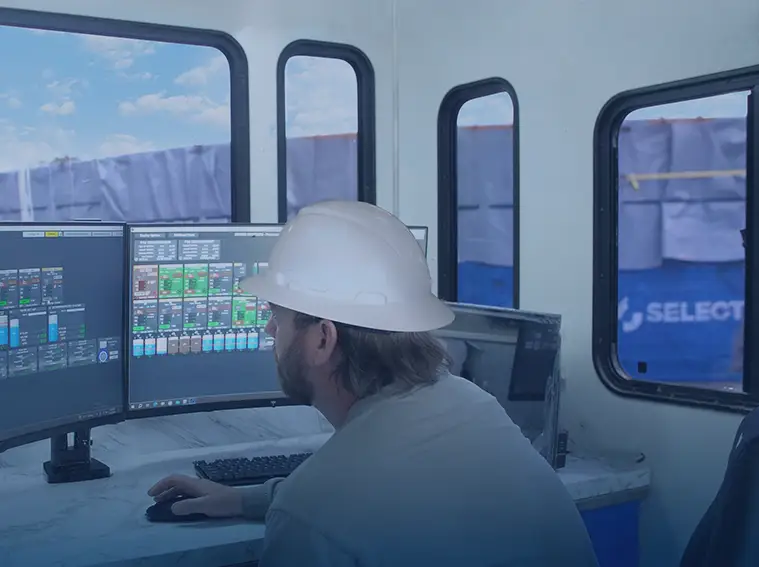
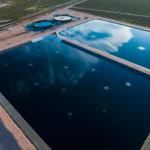
In the Northern Delaware Basin, rising produced water volumes combined with a growing focus on recycling and reuse have made water management and beneficial reuse increasingly important. Select addresses these needs through leading recycling infrastructure in the basin, enabling large-scale reuse of produced water, reducing freshwater demand, reducing the need for barrels to be injected in subsurface reservoirs, and improving completion efficiency. Select additionally continues to responsibly grow its produced water disposal capacity in this region to provide its customers takeaway solutions and optionality that also help enable our ongoing recycling growth with our customers. We additionally continue to evaluate alternative ways to dispose or reuse produced water through methods such as evaporation and mineral extraction.
In the Haynesville, produced water volumes must be managed against tighter local disposal constraints and limited infrastructure buildout. Select operates the largest commercial disposal footprint in the basin, providing critical capacity that supports consistent production and reduces operational bottlenecks.
In the Northeastern U.S., more constrained geology, regulations, and logistical limitations further restrict disposal flexibility. Select’s integrated disposal network provides reliable handling pathways in an environment where options are structurally limited.
In the Bakken, Select operates one of the largest commercial disposal footprints and has pipeline infrastructure that provides critical disposal capacity and water delivery for new well completions, Additionally, in the Bakken region Select possesses a solids management asset-base that responsibly manages a variety of oilfield waste including radioactive “TENORM” materials.
Integrated Water Infrastructure Solutions
Across all regions, these basin-specific challenges are unified by a common requirement: scalable, integrated water infrastructure capable of managing increasing produced water volumes safely and efficiently.
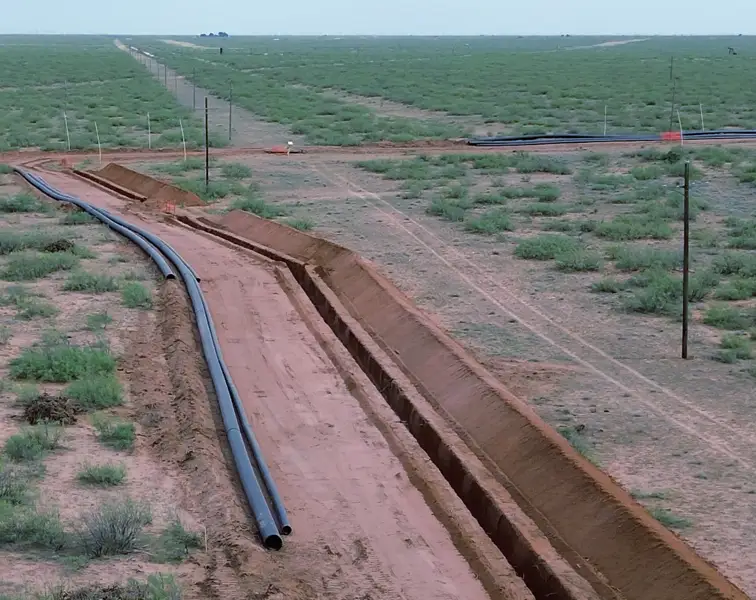
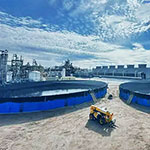
Select meets this need through a fully integrated platform spanning recycling, disposal, treatment, and logistics. Select operates the largest centralized recycling network in the industry, enabling the capture, treatment, and reuse of flowback and produced water at scale. Select also operates a diversified network of more than one hundred disposal facilities, providing critical capacity for safe and compliant disposal where reuse is not feasible.
These systems are supported by extensive pipeline, hose, disposal infrastructure, and water transfer infrastructure that increasingly replaces traditional truck-based logistics. This shift improves cost efficiency, enhances safety, and reduces environmental impact by lowering truck traffic, diesel emissions, and spill risk.
For example, on a representative multi-well pad requiring approximately five million barrels of water, Select’s pipeline and water transfer hose infrastructure can eliminate the equivalent of approximately 38,500 tank truck loads, significantly reducing both operating costs and community impact while improving operational safety.
Together, these integrated basin-specific capabilities and network-scale infrastructure position Select as a critical enabler of unconventional development in an environment where water has become one of the most significant operational constraints.